©奥斯卡·达里兹
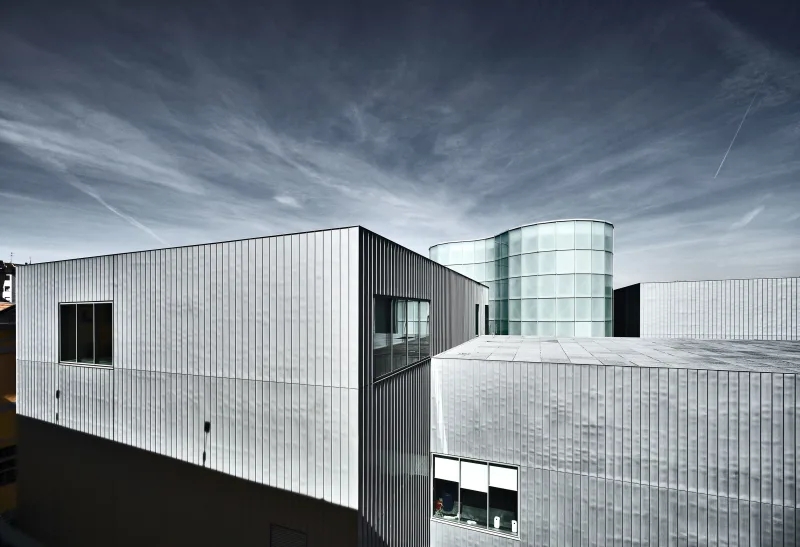
MUDEC 最初是在米兰最热闹的地区之一托尔托纳地区开展考古修复工作的。
文化博物馆项目起源于 20 世纪 90 年代,当时米兰市政府收购了安萨尔多前工业区,将其用于文化活动。这些废弃的工厂是工业考古学的真正纪念碑,已被改造成车间、研究室和新的创意空间。在这种情况下,米兰市政府正在设计一个致力于世界各种见证和文化的多学科中心,一个公民民族志收藏品的展览场地。
MUDEC started its archaeological restoration work in the area of Tortona, one of the liveliest areas of Milan. The Cultural Museum project originated in the 1990s when the Municipality of Milan acquired the former industrial area of Ansaldo for cultural activities. These disused factories are true monuments of industrial archeology and have been transformed into workshops, research rooms and new creative spaces. In this context, the Municipality of Milan is designing a multidisciplinary center dedicated to the various testimonies and cultures of the world, an exhibition venue for civic ethnographic collections.
——————
项目地点:意大利 - 米兰
项目年份:2015年
Milan Cultural Museumn
---
文化博物馆是在与现在截然不同的社会经济背景下构想的,必须根据其复杂性进行重新思考,这在 90 年代末可能是无法想象的。
今天贯穿它的跨文化使命在能够满足博物馆机构不断转型的景观中的文化公众的呼唤中得到体现,这种呼唤多年来已经变得越来越普遍。可持续性及其在科学研究、历史见证、对当今的解释和对未来的愿景之间的同一性。
The Cultural Museum was conceived in a very different socio-economic context than it is today, and had to be rethought in terms of complexities that might have been unimaginable in the late 90s. The intercultural mandate that permeates it today is reflected in the ability to meet the calling of a cultural public in the museum institution's ever-transforming landscape, a calling that has become increasingly common over the years. Sustainability and its identity between scientific research, historical testimony, interpretation of the present and visions of the future.

©奥斯卡·达里兹
文化博物馆的参观者可以参观通过不同艺术语言举办的大型国际展览,了解米兰市藏品的民族人类学遗产,这些藏品由 7000 多件艺术品、实用物品、来自各大洲的纺织品和乐器,参加了当地国际社会策划的一系列活动和倡议。
该建筑的建筑风格反映了居住在 MUDEC 中的许多精神。
Visitors to the Museum of Culture can discover the ethno-anthropological heritage of the collections of the city of Milan at a large international exhibition organized in different artistic languages, composed of more than 7000 works of art, practical objects, textiles and musical instruments from all continents, participated in the local A series of events and initiatives planned by the international community. The building's architecture reflects the many spirits that inhabit MUDEC.
©奥斯卡·达里兹
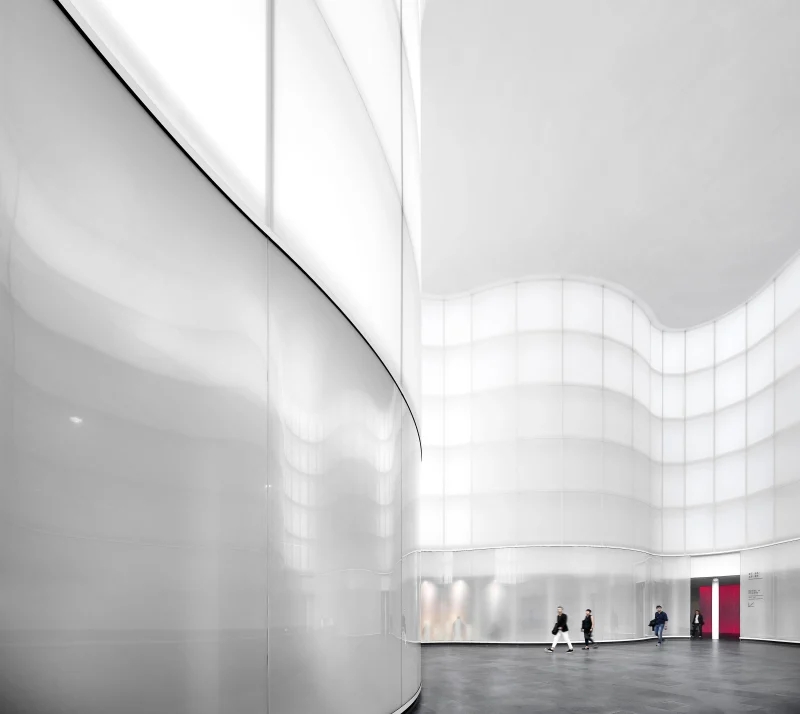
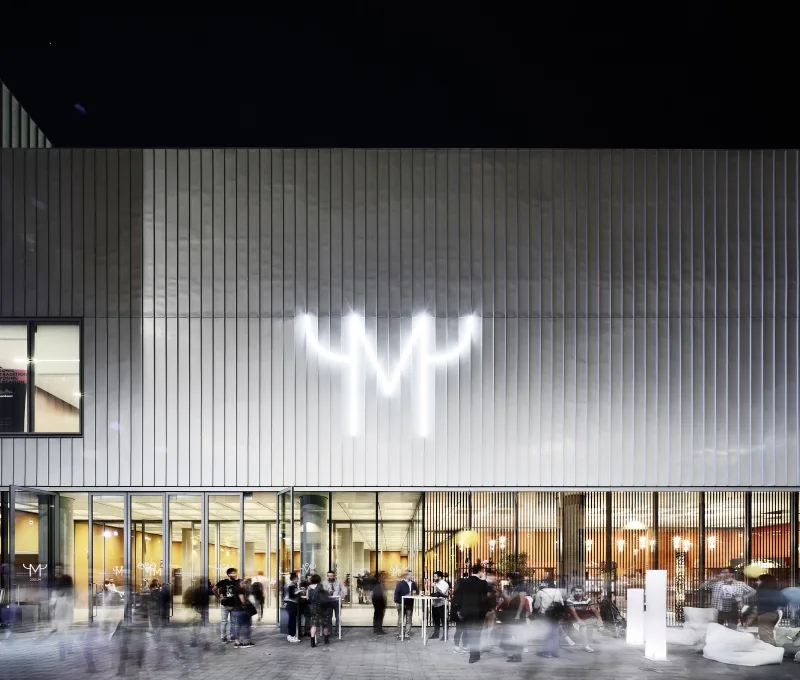
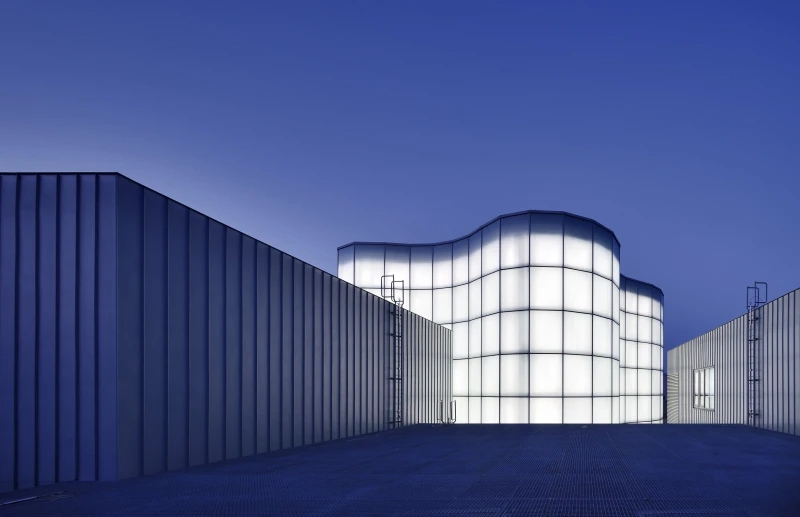
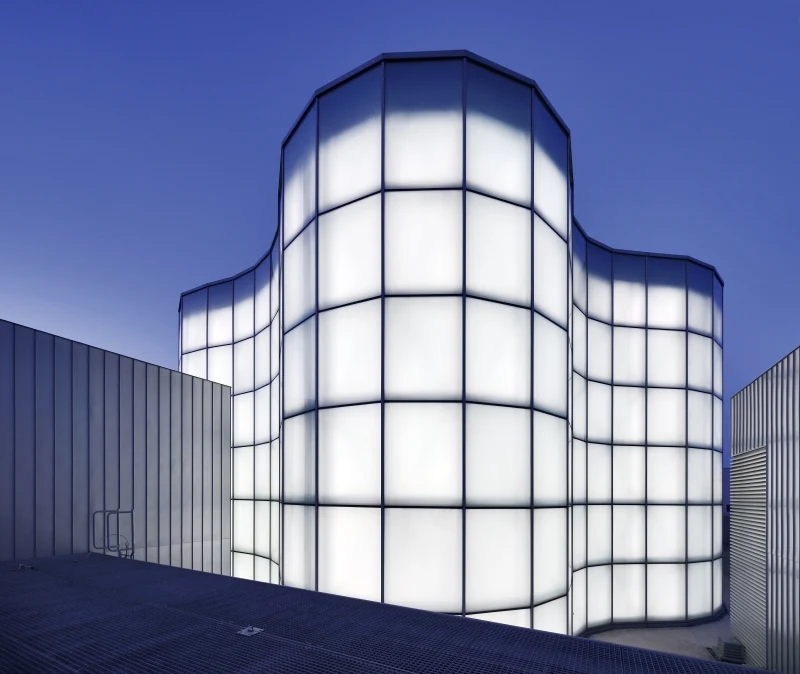
这座建筑的特点是方形的块体覆盖着锌和水晶结构,全天候发光,在其所在区域呈几何形状爆炸,看起来与相邻的房间非常不同。MUDEC 因其中央大厅的自由和有机形状而与众不同,形成了一个具有特色“花”形的内部庭院、一个有顶棚的广场、一个文化和社区之间的聚会场所。
The building is characterized by square blocks clad in zinc and crystal structures, luminous around the clock, exploding in geometric shapes in their area and appearing very different from the adjacent rooms. MUDEC is distinguished by the free and organic shape of its central hall, forming an inner courtyard with a characteristic "flower" shape, a covered square, a meeting place between cultures and communities.

©奥斯卡·达里兹
建筑内布局了各种空间,为游客和城市提供多种文化建议和服务,面积超过 17,000 平方米。
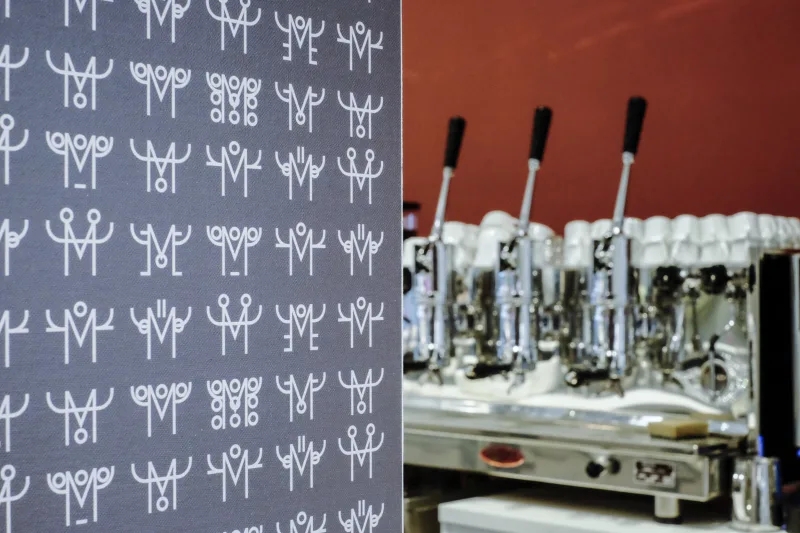
一楼专门用于接待客人;它有一个小酒馆、一家设计商店、售票处、衣柜、修复工作室和供小型陪同团体参观的储藏室。
Various spaces are arranged within the building, offering a variety of cultural proposals and services for tourists and the city, covering an area of more than 17,000 square meters. The ground floor is dedicated to receiving guests; it houses a bistro, a design shop, ticket office, wardrobes, restoration workshops and storage rooms for small escorted groups to visit.

©奥斯卡·达里兹
博物馆的展览区位于一楼,围绕一个大型有顶中央广场而建,是博物馆行程中展示永久收藏作品的部分以及用于大型临时展览的大厅。礼堂使整个空间更加圆润,礼堂是一个可容纳 300 人的剧院,专门用于表演和视觉艺术。
The museum's exhibition areas are located on the ground floor, organized around a large covered central plaza, and serve as part of the museum's itinerary for the presentation of works from the permanent collection as well as halls for large temporary exhibitions. Rounding out the space is the Auditorium, a 300-seat theater dedicated to the performing and visual arts.
©奥斯卡·达里兹
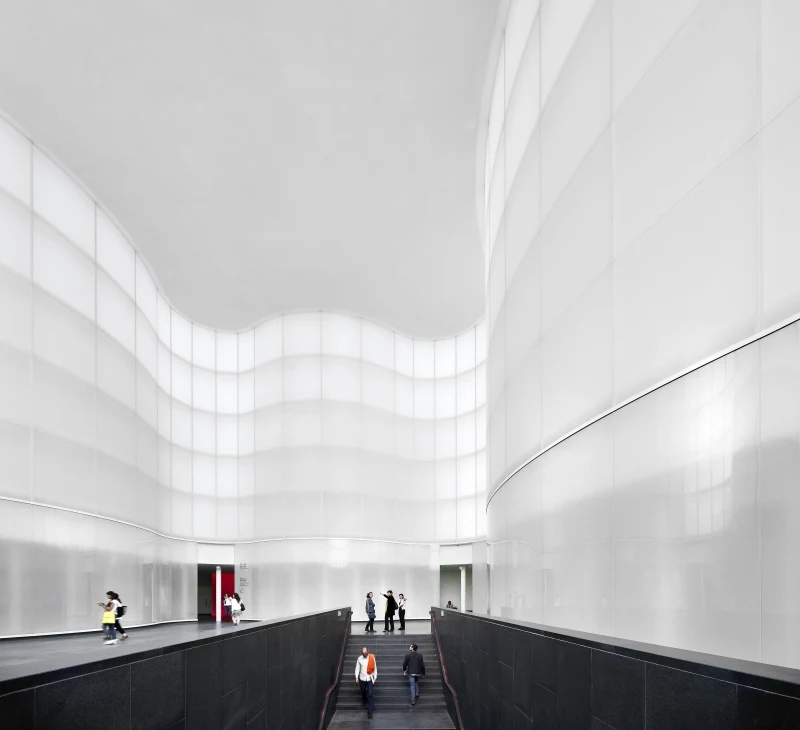
另一方面,二楼设有 MUDEC 俱乐部餐厅,从这里可以一览建筑及周边地区的隐秘景观,旨在成为与艺术世界相关的活动的容器:艺术表演、演示和研讨会将在每年举办一系列活动,将激发这个空间的艺术精神。最后,MUDEC Junior 是专门为儿童设计的空间,旨在通过游戏、多媒体站和手工工作坊等活动让孩子们更接近世界的多元文化。
On the other hand, the second floor houses the MUDEC club restaurant, which offers a private view of the building and surrounding area, and is intended to be a container for events related to the art world: art performances, presentations and workshops will be held in a series of events throughout the year , will inspire the artistic spirit of this space. Finally, MUDEC Junior is a space specially designed for children, which aims to bring children closer to the multiculturalism of the world through activities such as games, multimedia stations and craft workshops.

©奥斯卡·达里兹
治理
MUDEC 展示了一种创新的治理方式,采用公私合作的管理模式,将米兰市政府和 24 ORE Cultura – Gruppo 24 Ore 结合在一起。这种伙伴关系是通过公开招标程序进行选择的
,这是一个重要且具有开创性的解决方案,能够尊重文化中心的特性,同时满足效率和可持续性的要求。米兰市政府负责对文化论坛的科学管理、保护、遗产保护和活动协调;另一方面,24 Ore Culture 负责举办大型临时演出并管理
governance MUDEC showcases an innovative approach to governance, using a public-private partnership management model, bringing together the Municipality of Milan and the 24 ORE Cultura – Gruppo 24 Ore. The partnership was selected through an open tender process , an important and groundbreaking solution that respects the identity of the cultural center while meeting the requirements of efficiency and sustainability. The Municipality of Milan is responsible for the scientific management, conservation, heritage conservation and event coordination of the Cultural Forum; on the other hand, 24 Ore Culture organizes large temporary performances and manages
©奥斯卡·达里兹
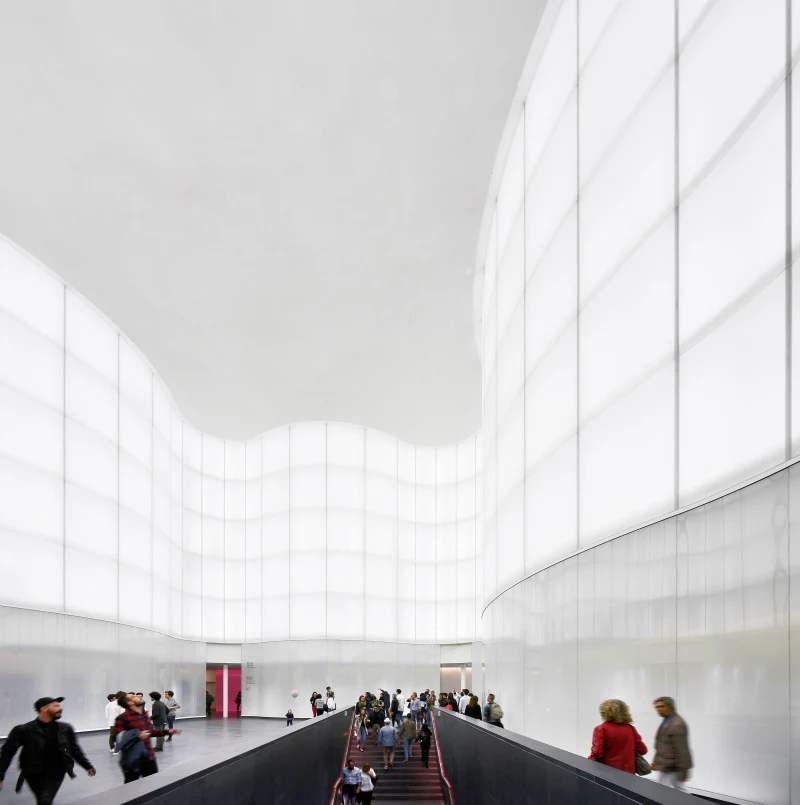
通过这种方式,营利性团体和非营利性团体之间的合作产生了重要的经验——在意大利尚属首次,这种合作除了建立在分享技术诀窍之外,还产生了文化管理中的良性活力,为米兰的新文化中心注入了活力,除了博物馆和临时展览活动之外,还提供了多种娱乐场所,从小酒馆到设计商店,从餐厅到公共停车场,从教学空间到礼堂,从 MUDEC 学院到青少年文化空间。
In this way, the cooperation between profit and non-profit groups generates an important experience - a first in Italy, which, in addition to being based on the sharing of technical know-how, generates a virtuous virtuousness in cultural management Vitality, which breathes life into the new cultural center of Milan, offering, in addition to museums and temporary exhibition events, a variety of entertainment venues, from bistros to design shops, from restaurants to public parking, from teaching spaces to auditoriums, from MUDEC College to youth cultural space.

©奥斯卡·达里兹
永久收藏和储藏室
公民民族志收藏的形成可以追溯到 19 世纪,是米兰传教士、探险家、研究人员和收藏家两百多年来捐赠的成果。
Permanent Collection and Storage The formation of the Civic Ethnography Collection dates back to the 19th century and is the result of more than two centuries of donations from Milanese missionaries, explorers, researchers and collectors.

©奥斯卡·达里兹
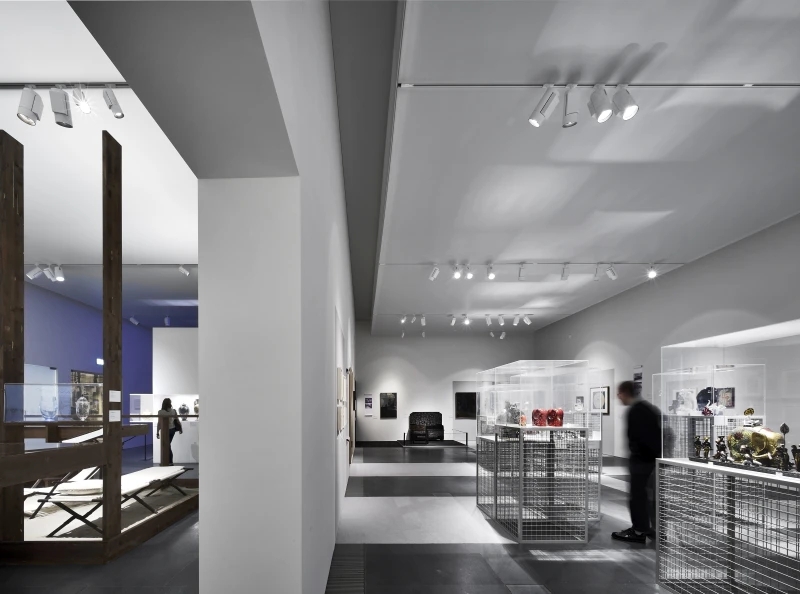
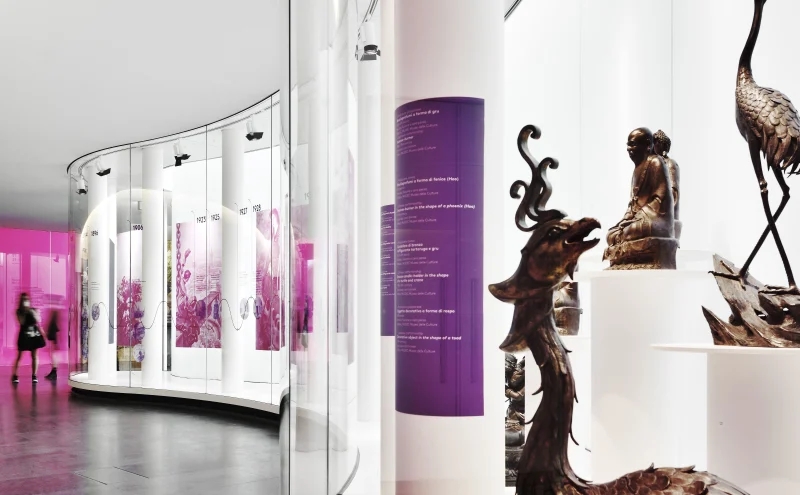
最古老的是米兰各个公共机构的遗产,例如布雷拉的爱国考古博物馆、市政艺术博物馆和自然故事博物馆,最近的是随着文化博物馆项目的完成而到达的遗产。亚洲、非洲、美洲和大洋洲公民收藏遗产以及文化博物馆的核心部分由 7000 件藏品组成,涵盖了从公元前 1200 年到 1900 年代的整个时期。
The oldest is the heritage of various public institutions in Milan, such as the Patriotic Archaeological Museum in Brera, the Municipal Art Museum and the Museum of Natural Stories, and the most recent is that which arrived with the completion of the Cultural Museum project. The core of the Museum of Civic Collections Heritage and Cultures of Asia, Africa, America and Oceania consists of 7,000 objects covering the entire period from 1200 BC to the 1900s.

©奥斯卡·达里兹
©奥斯卡·达里兹

©奥斯卡·达里兹

©奥斯卡·达里兹

©奥斯卡·达里兹

©奥斯卡·达里兹

©奥斯卡·达里兹
©奥斯卡·达里兹

©奥斯卡·达里兹

©奥斯卡·达里兹

©奥斯卡·达里兹

©奥斯卡·达里兹

©奥斯卡·达里兹

©奥斯卡·达里兹
©奥斯卡·达里兹

©奥斯卡·达里兹
©奥斯卡·达里兹
©奥斯卡·达里兹

©奥斯卡·达里兹
©奥斯卡·达里兹
项目信息
项目地点:意大利 - 米兰
项目年份:2015年
制作人员
结构:皮希勒钢厂
客户:米兰市镇 – DIREZIONE SETTORE MUSEI
版权©策站网cezn.cn,欢迎转发,禁止以策站编辑版本进行任何形式转载

关注公众号

关注视频号