自古以来,童话故事往往既奇妙又具有启发性。数千年来,它们一直是我们文化互动中不可或缺的一部分,并继续塑造着我们今天对道德的理解。与此同时,童话故事总有一些变形的东西。尽管它们各自具有媒介性,无论是书面的还是叙述的,它们总是在不断变化。地点、名称和主题可能会改变,但某些可识别的基本模式或原型仍然存在。这就是人类永恒的叙事被创造出来的方式,过去、现在和未来都被捆绑在这个特殊的媒介中。
Since ancient times, fairy tales have often been both fantastic and instructive. They have been an integral part of our cultural interactions for thousands of years and continue to shape our understanding of morality today. At the same time, there is always something deformed about fairy tales. Despite their respective mediums, whether written or narrated, they are always in flux. Places, names and themes may change, but certain recognizable basic patterns or archetypes remain. This is how the timeless narrative of humanity is created, where the past, present and future are bound together in this particular medium.
——————
展览图形和主视觉:Julia Volkmar –
空间与图形设计工作室:Sandra Weber,柏林
平面制作:Bartneck Print Artists,柏林
---
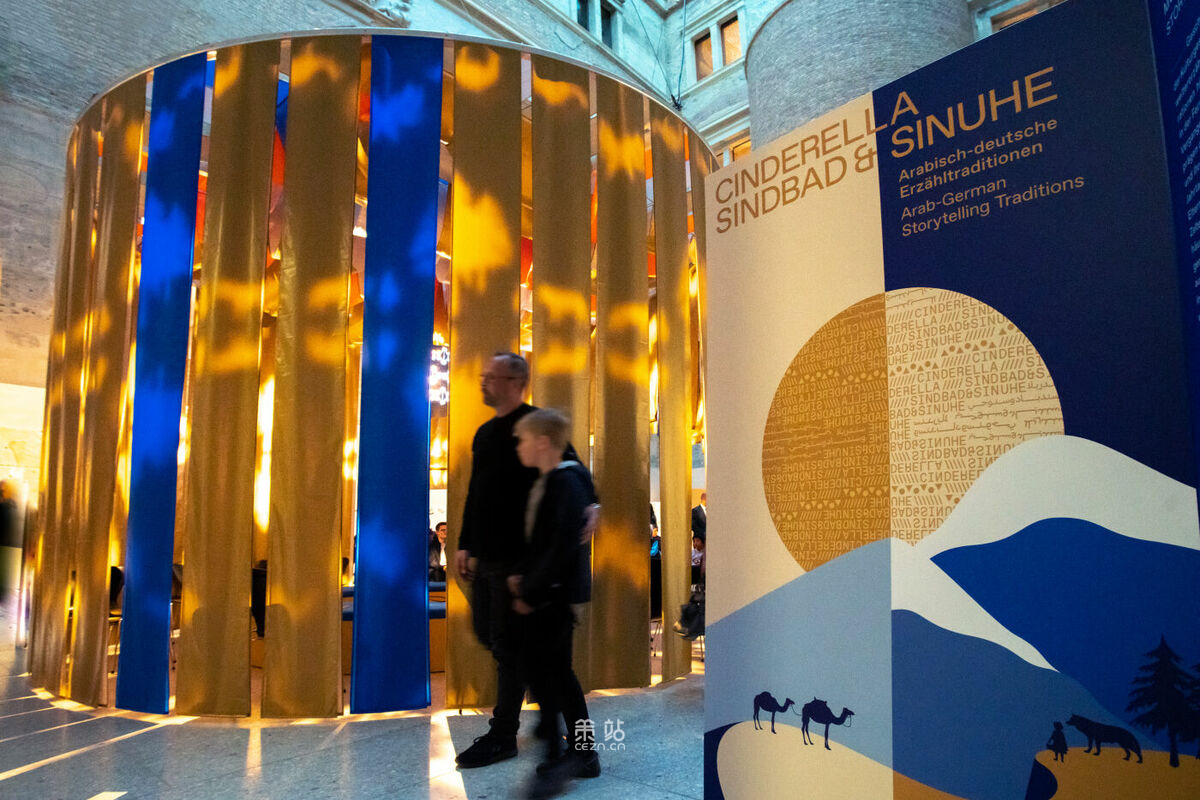
从 2019 年 4 月 17 日起,游客现在有独特的机会从新的跨文化角度了解他们的童话故事和故事。在“灰姑娘、辛巴达和斯努赫”展览中。《阿拉伯-德国叙事传统》侧重于发现阿拉伯和德国叙事文化之间隐藏和公开的重叠。就像放大镜一样,埃及博物馆的策展团队和新博物馆的纸莎草收藏正在寻找连接元素。
From April 17, 2019, visitors now have the unique opportunity to learn about their fairy tales and stories from a new cross-cultural perspective. In the "Cinderella, Sinbad and Snook" exhibit. The Arab-German Narrative Tradition focuses on uncovering hidden and overt overlaps between Arab and German narrative cultures. Like a magnifying glass, the curatorial teams at the Egyptian Museum and the New Museum's papyrus collection are looking for connecting elements.
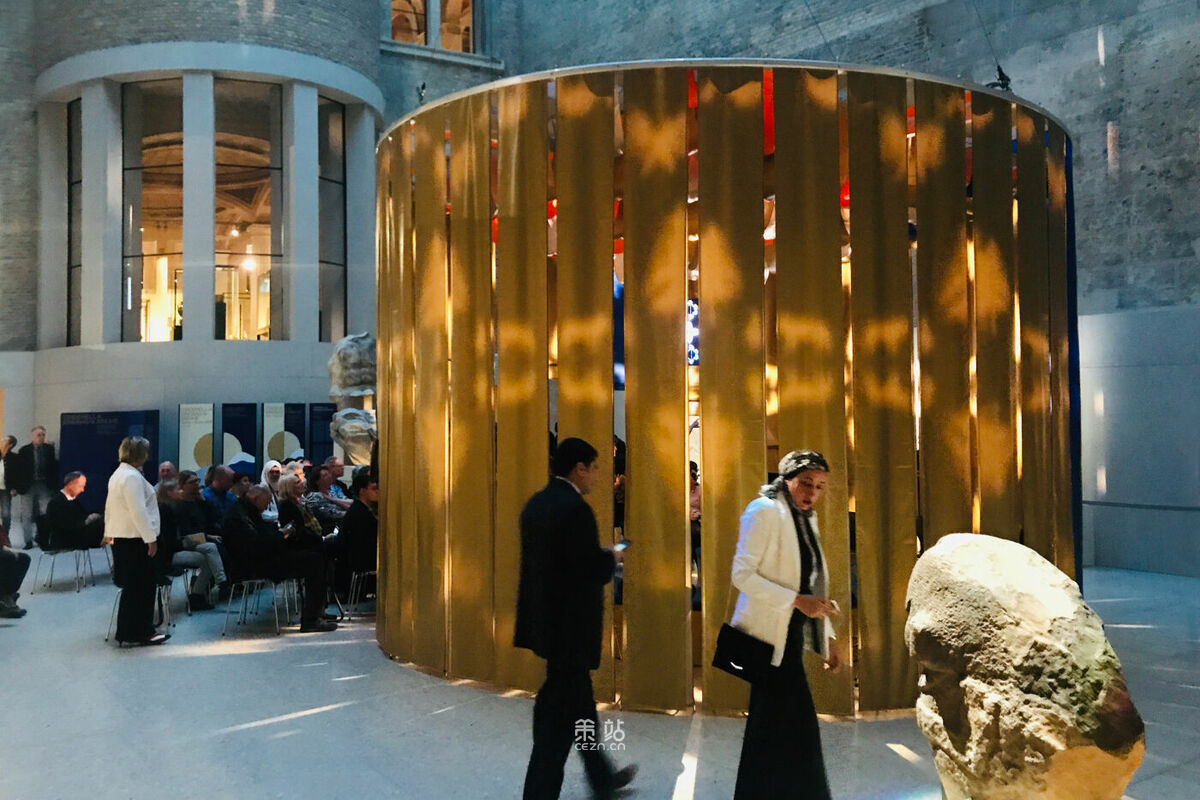
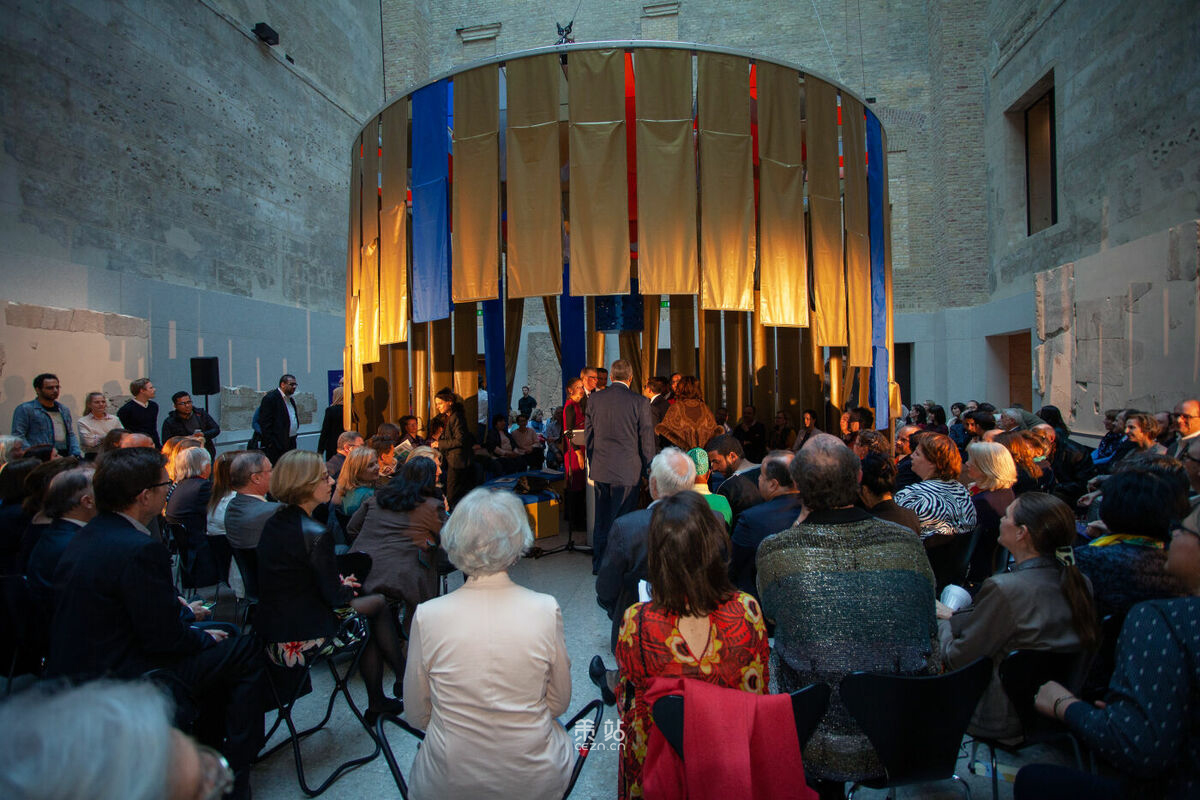
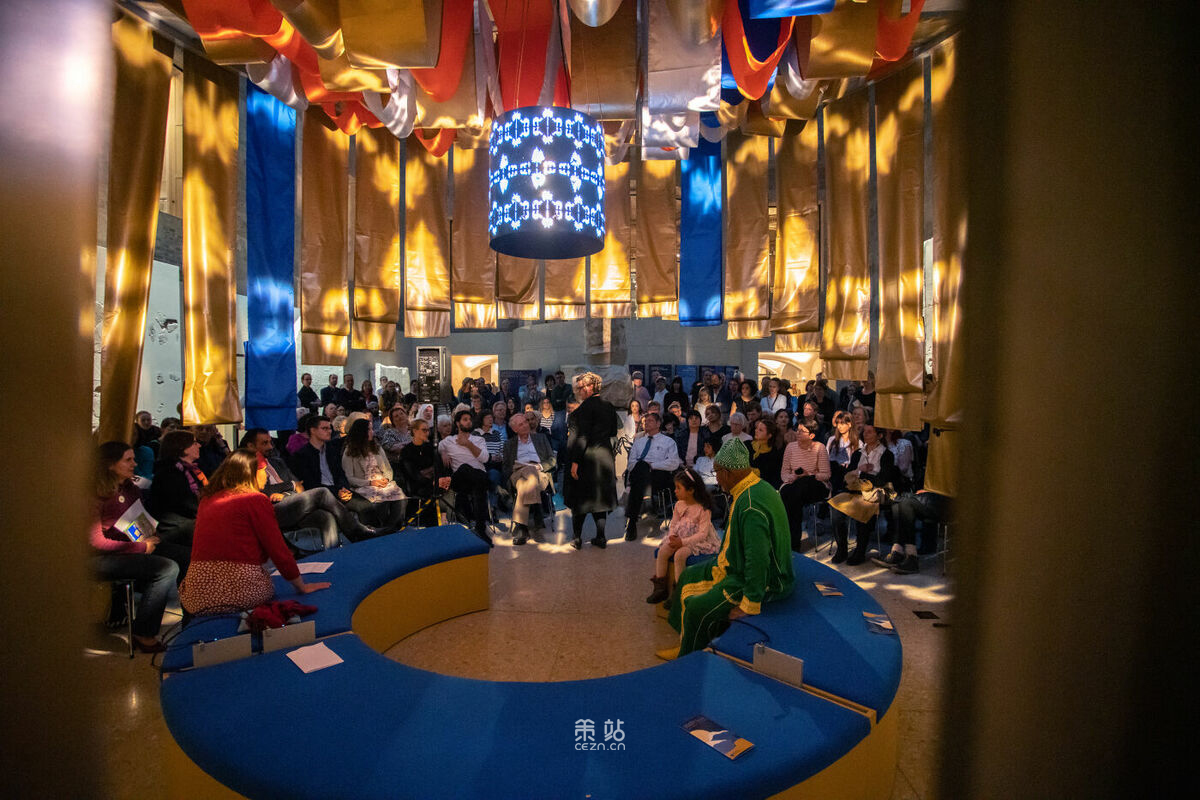
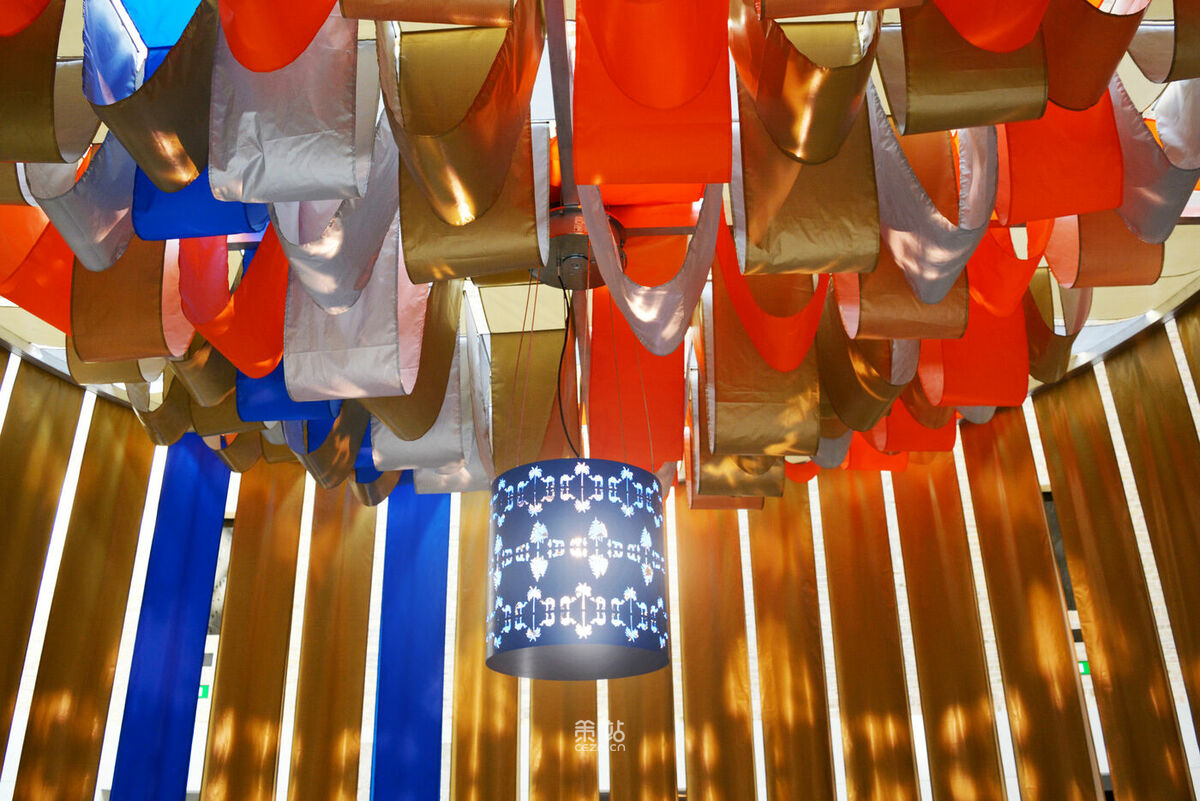
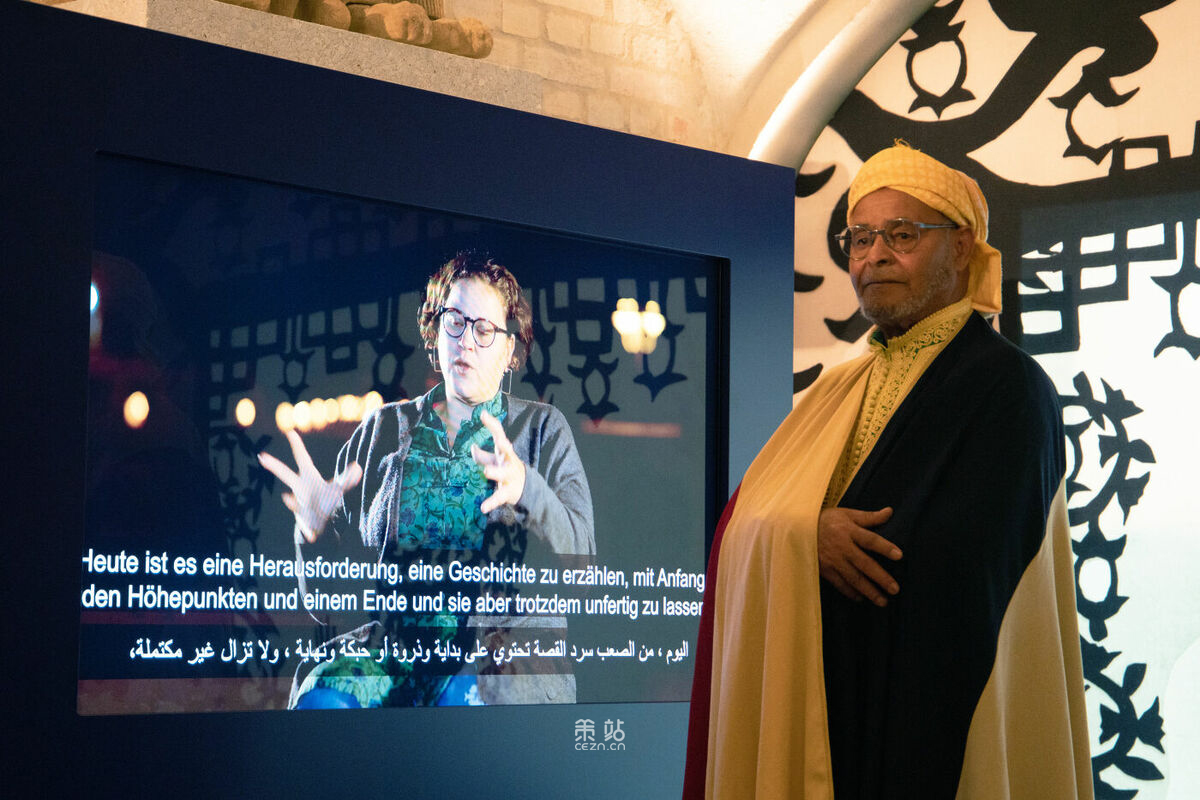
展览的一大亮点是博物馆希腊庭院中的一个奇妙的彩色帐篷!作为东方口头讲故事传统的空间,帐篷是许多阿拉伯童话的起源地。帐篷的编织布面板外面是金色,里面是银色、蓝色和橙色,让人想起我们小时候想象的童话故事中的场景。此外,纺织帐篷也是两种叙事传统之间许多重叠的表达。
诚挚邀请所有游客在这个神奇的地方聆听不同的童话故事。
A highlight of the exhibit is a fantastic colorful tent in the museum's Greek courtyard! As a space for the Eastern tradition of oral storytelling, the tent is the origin of many Arabic fairy tales. The tent's woven fabric panels are gold on the outside and silver, blue and orange on the inside, reminiscent of scenes from fairy tales we imagined as children. Furthermore, the textile tent is also an expression of the many overlaps between the two narrative traditions. All visitors are cordially invited to listen to different fairy tales in this magical place.
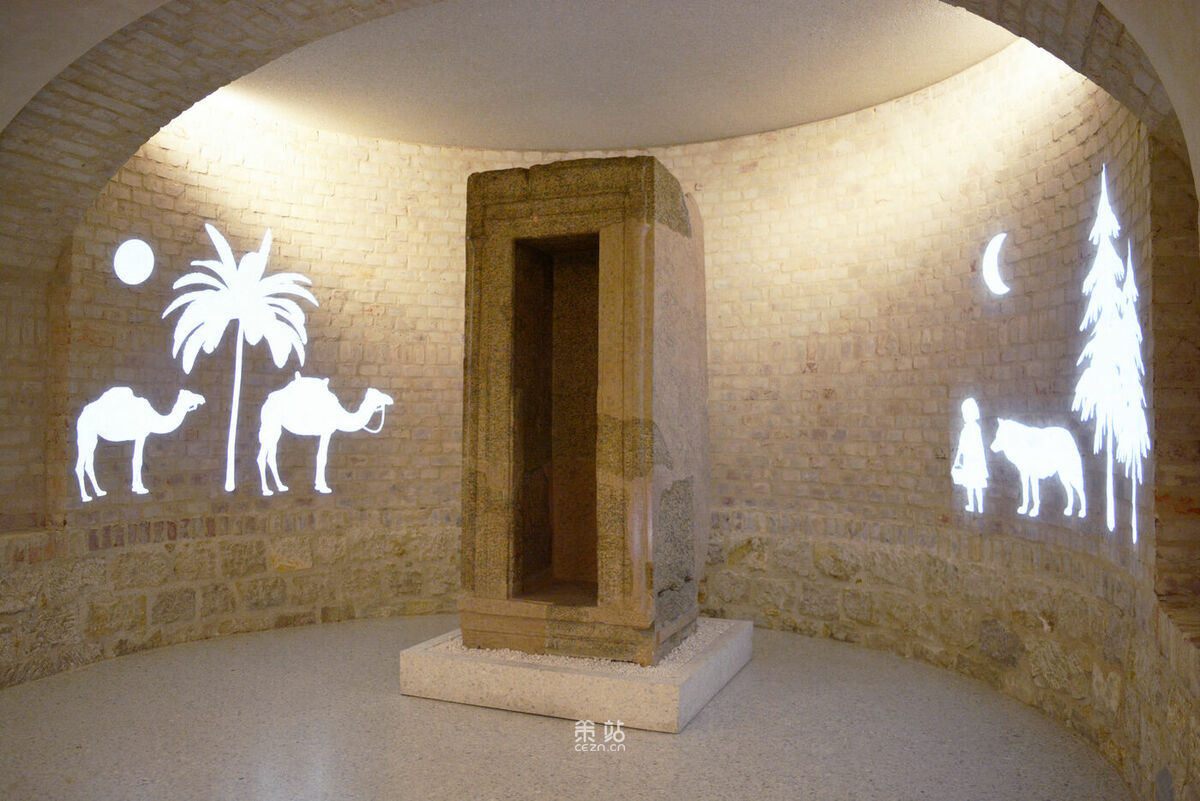
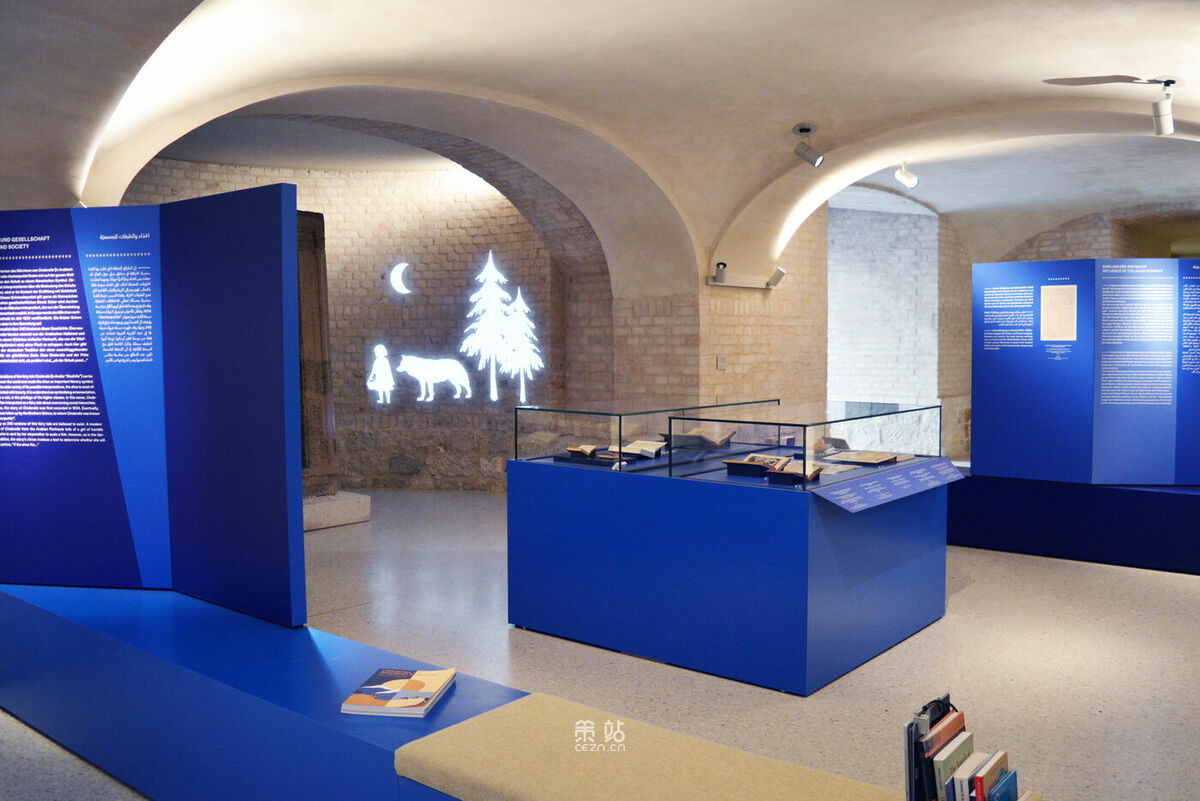
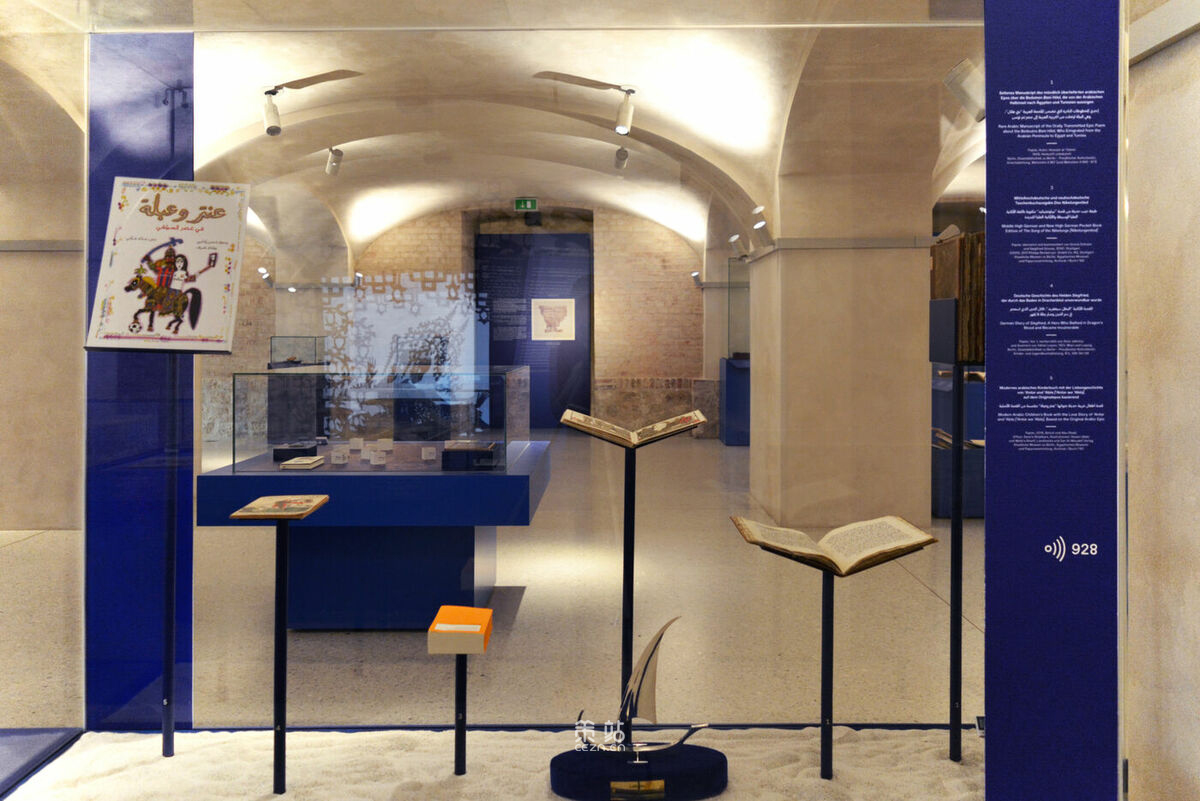
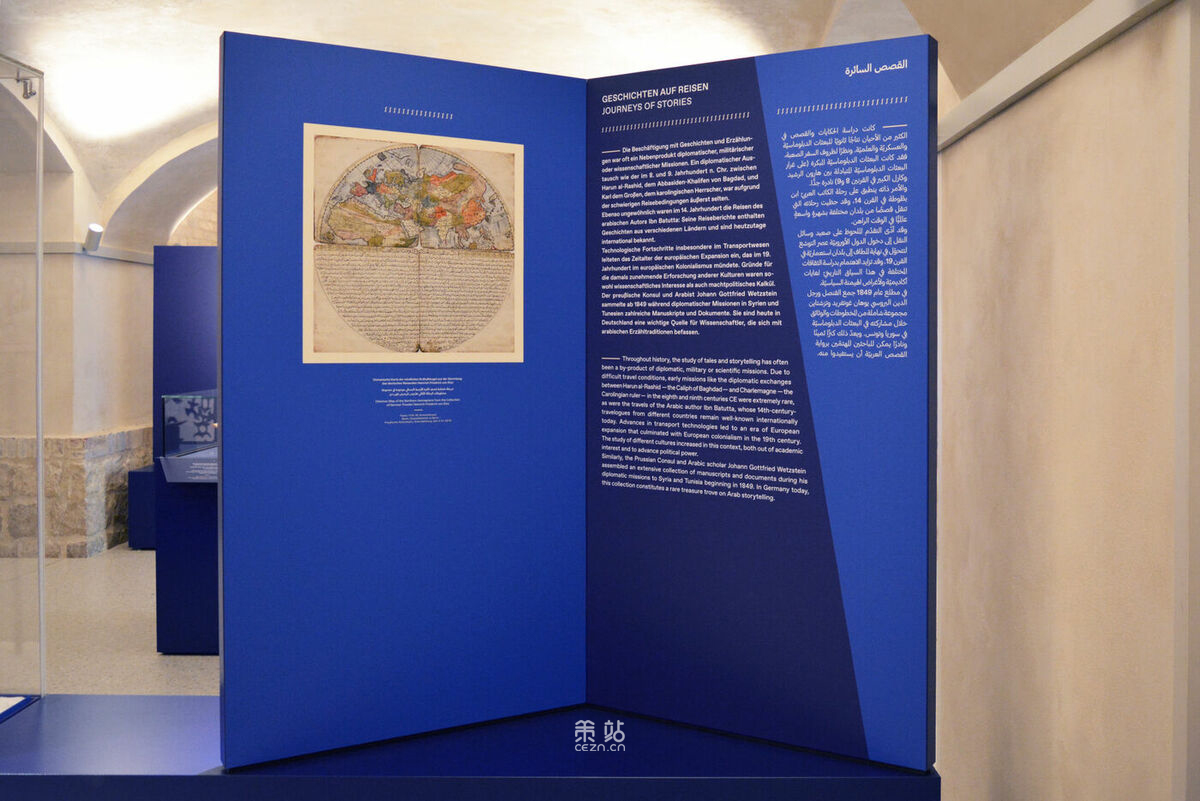
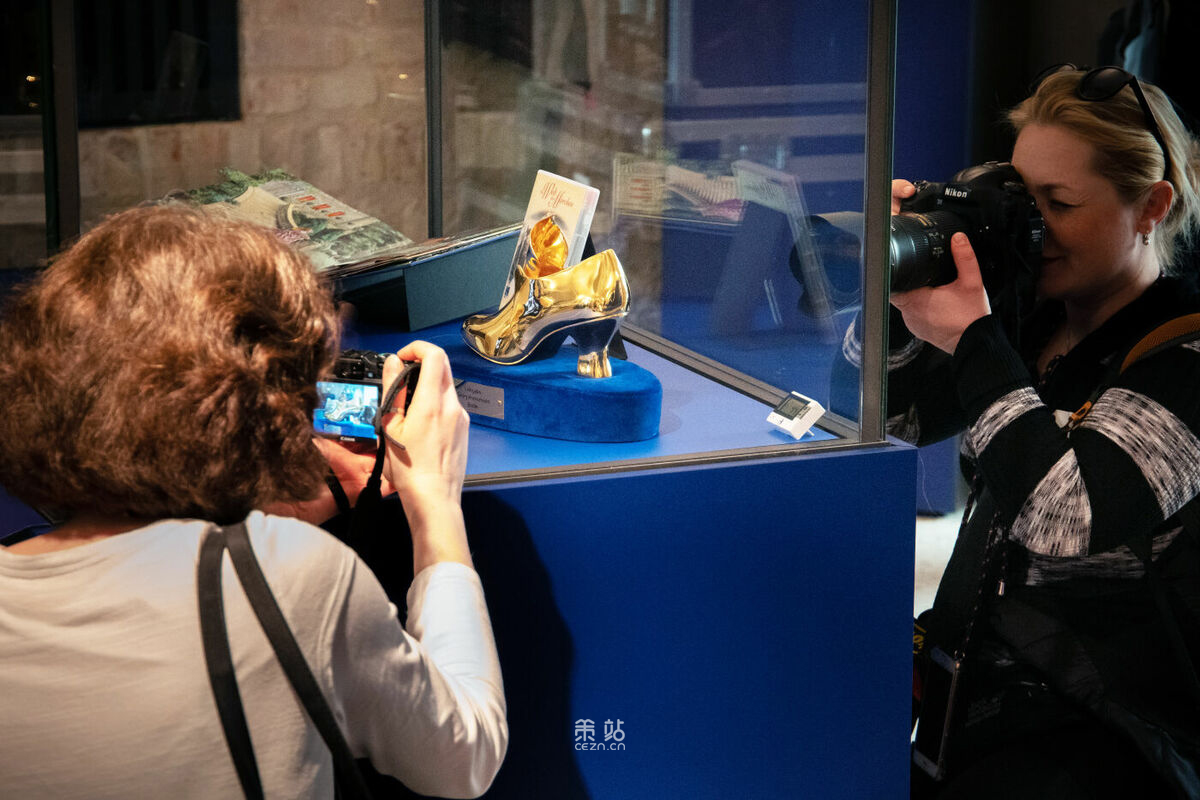
这种特殊的口头传统在第二展区被书面文字所取代。下一个房间的拱形橱柜(并非偶然从商队旅馆借来的)中,最有价值的展品位于前景。参观者*被蜿蜒地引导穿过房间,遇到纸莎草卷、手偶、童话故事集和一个小电影院。打开的书籍不仅是展品,而且还构成了信息文本的主旋律。
This particular oral tradition is replaced by the written word in the second exhibition area. The most valuable exhibits are in the foreground in the vaulted cabinets in the next room (borrowed not by accident from the caravanserai). Visitors* are guided meandering through the rooms, encountering papyrus scrolls, hand puppets, collections of fairy tales and a small cinema. The opened books are not only exhibits, but also form the main theme of the informative text.



这个精彩的展览并不关注什么是不同的、什么是外国的,而是通过它的童话和叙事传统以一种有趣的方式展示了人类是多么紧密地联系在一起,这看起来很特别。
This wonderful exhibition doesn't focus on what's different and what's foreign, but through its fairytale and narrative traditions it shows in an interesting way how closely connected humans are, which seems special.


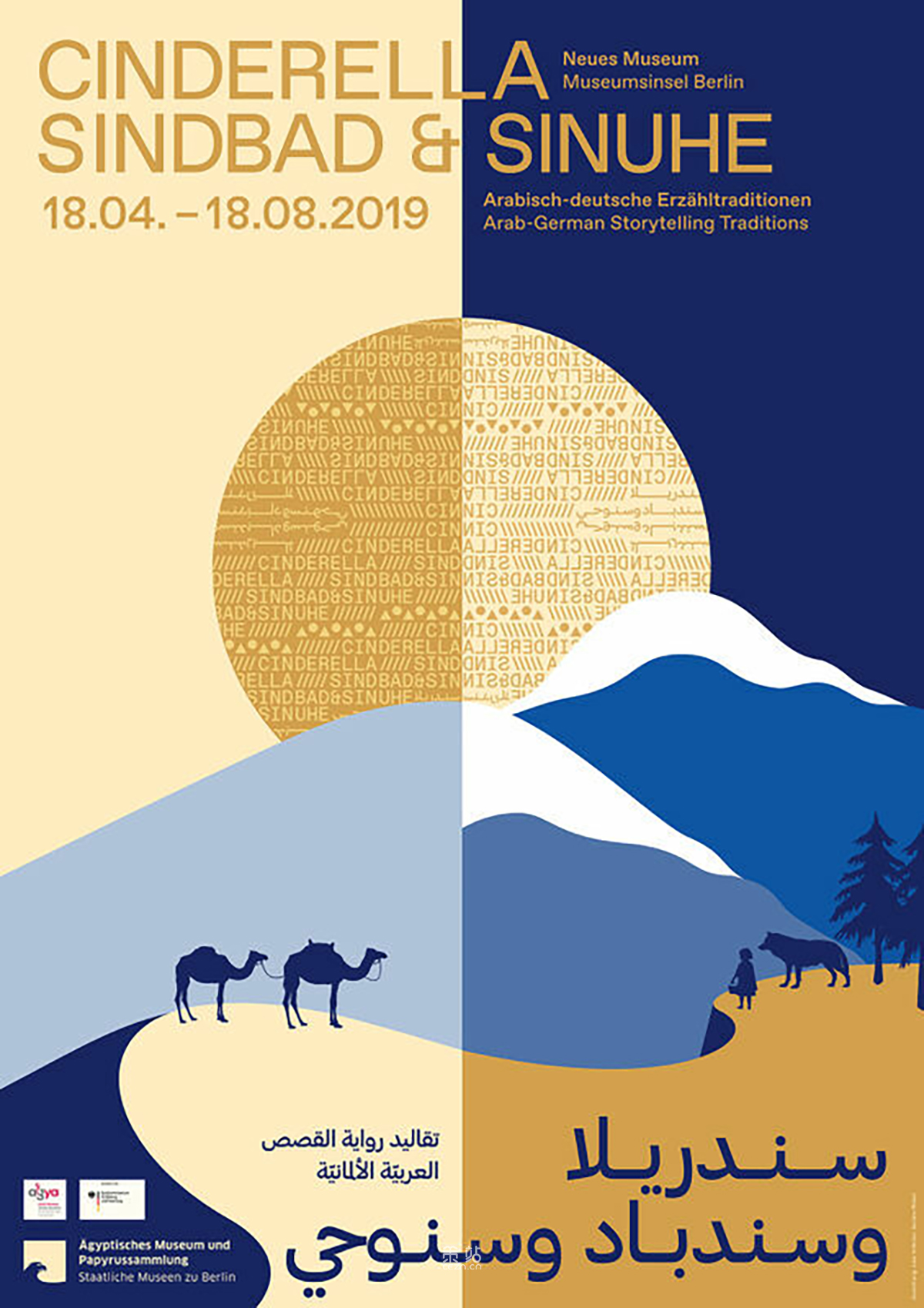
项目信息
场景设计:chezweitz GmbH
博物馆和城市场景设计:柏林、Dr. Sonja Beeck、Detlef Weitz、Hans Hagemeister
Jan Kalfus、Anja Rausch、Johannes Bögle
展览图形和主视觉:Julia Volkmar
空间与图形设计工作室:Sandra Weber,柏林
普鲁士文化遗产基金会主席:Prof. Dr. 赫尔曼·帕辛格 (Hermann Parzinger)
策展人:教授、博士 Verena Lepper、Anke Weber、Sarah Wessel
埃及博物馆和纸莎草收藏:柏林国家博物馆, Kubix
展览大楼:柏林
平面制作:Bartneck Print Artists,柏林
版权©策站网cezn.cn,欢迎转发,禁止以策站编辑版本进行任何形式转载

关注公众号

关注视频号